

Hawaii offers archery opportunities for beginners, experienced archers, and visitors who want to try target shooting outdoors. As you explore local ranges, you can compare facilities, understand what each location offers, and choose an option that fits your experience and plans.
You can prepare for a safe, enjoyable visit by learning about Hawaii’s ranges, local rules, equipment needs, and expected etiquette. This guide covers options such as Waipio Archery Range and Bushwacker’s Archery Range while helping you plan your visit with confidence.
1) Waipio Archery Range
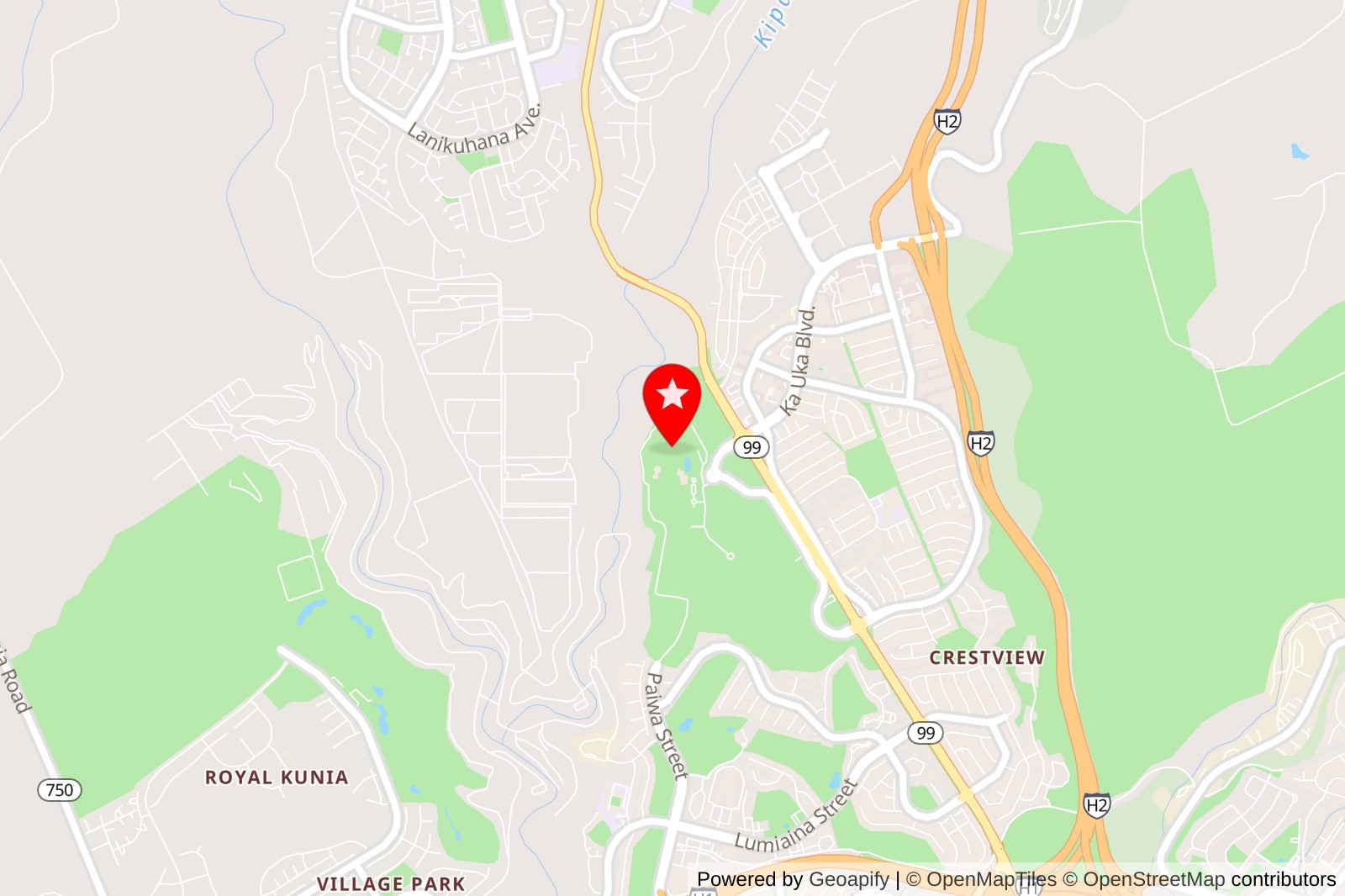
You can practice archery at this free-admission range within a public park in Waipahu. The open setting gives you space to focus on your form while enjoying a convenient location near Kamehameha Highway.
The range operates daily from 7 AM to 6 PM, so you have flexibility when planning a visit. Check current park conditions before you go, especially if you need specific facilities or range equipment.
You can use Waipio Archery Range for casual practice or regular training. Bring the gear you need unless you confirm equipment availability in advance.
Rating: 4.7 (39 reviews)
Location: 94 Kamehameha Hwy, Waipahu, HI 96797
2) Bushwacker's Archery Range

At Bushwacker’s Archery Range, you can practice on Oahu’s only public 3D archery course. Realistic targets create a practical setting for improving your aim, judging distance, and preparing for hunting or target competition.
The course includes static targets positioned from 10 to 60 yards. You can choose distances that match your experience, making the range suitable whether you are refining established skills or learning the basics.
The range operates on Saturdays and Sundays from 9 a.m. to 3 p.m. Sign in at the shed beside the main parking area, between the bathrooms and static bales, before using the facilities. Beginners can also enroll in an introductory course.
Bushwacker’s Archery Club runs as a nonprofit supported by volunteers and donations. Your contribution helps maintain the range and targets, while the club also offers classes for adults and keiki.
Rating: 4.8 (12 reviews)
Location: Pu'u O Kapolei Archery Range, Kapolei, HI
Contact: (808) 348-1672
Website: Visit Website
Range Rules, Safety, And Etiquette
You must follow the range’s posted commands, stay behind the shooting line until authorized, and keep your equipment pointed downrange. Wear suitable protective gear, use only approved targets, and stop shooting immediately when a range officer gives a command.
Required Safety Equipment
Wear closed-toe shoes and clothing that protects your feet, legs, and arms from loose bowstrings or brush. Avoid loose jewelry, scarves, and garments that could catch on the string. Bring a properly fitted bow, arrows matched to its draw weight and length, and a finger tab, shooting glove, or release aid suited to your equipment.
Use arrows with undamaged shafts, secure nocks, and field points approved by the facility. Do not shoot arrows with cracks, bends, loose points, or damaged fletching. Some ranges require you to provide your own targets, while others specify target types or sizes; check the facility’s rules before arriving.
Keep a first-aid kit and water available, especially at outdoor ranges. Apply sun protection and secure long hair. Children and new archers need direct supervision, and everyone should know how to stop shooting and notify staff about unsafe conditions.
Common Shooting Line Protocols
Wait behind the ready line until the range officer announces that you may approach the shooting line. Nock an arrow only when the range is declared open, keep your bow pointed toward the targets, and shoot only at your assigned target. Never draw or release an arrow when anyone stands downrange.
When the command indicates a cease-fire, stop immediately, remove any arrow from the bow, place the bow safely on the rack or ground as directed, and step behind the waiting line. Do not cross the shooting line until staff declares the range safe. Treat every cease-fire as active, even if you have finished shooting.
Retrieve arrows only with permission, walk downrange, and stay alert for other archers. On return, remain behind the waiting line until shooting resumes. Keep conversations quiet near the line, follow local time limits, and report damaged equipment, lost arrows, or rule violations to staff.
Planning Your Visit
Confirm access rules, booking requirements, equipment availability, and current operating hours before traveling. Hawaii’s ranges differ in facilities and schedules, while strong sun, trade winds, and sudden rain can affect your session.
Reservations And Operating Hours
Contact the range or club directly before you go. Public facilities, including Oahu’s city-operated archery ranges, may have designated shooting hours, limited lanes, scheduled programs, or temporary closures. Volunteer-run clubs can also operate on specific practice or event days rather than maintaining daily public hours.
Ask whether you need a reservation, membership, waiver, lesson, or safety orientation. Confirm age requirements, acceptable bow types, target fees, and whether you can rent a bow, arrows, arm guard, and finger tab. If you plan to visit with a group, request lane availability in advance.
Check the address carefully because facilities may sit within larger parks or sports complexes. Reconfirm details on the day of your visit, especially after heavy rain, strong winds, or public events.
Weather, Clothing, And Sun Protection
Wear lightweight clothing that allows unrestricted shoulder and arm movement. Closed-toe shoes provide better footing on outdoor ranges, while a brimmed hat, sunglasses, and broad-spectrum sunscreen help protect you during long sessions. Avoid loose jewelry, scarves, or garments that could catch on the bowstring.
Hawaii’s outdoor ranges can experience intense midday sun, trade winds, and brief rain showers. Schedule practice earlier or later in the day when possible, and bring water, sunscreen, and a light rain layer. Secure hats and loose equipment in windy conditions, and ask staff whether weather has changed the range’s safety status before shooting.
Keep wet arrows and gear protected when traveling between locations. Follow instructions about slippery ground, lightning, and suspended shooting.


